

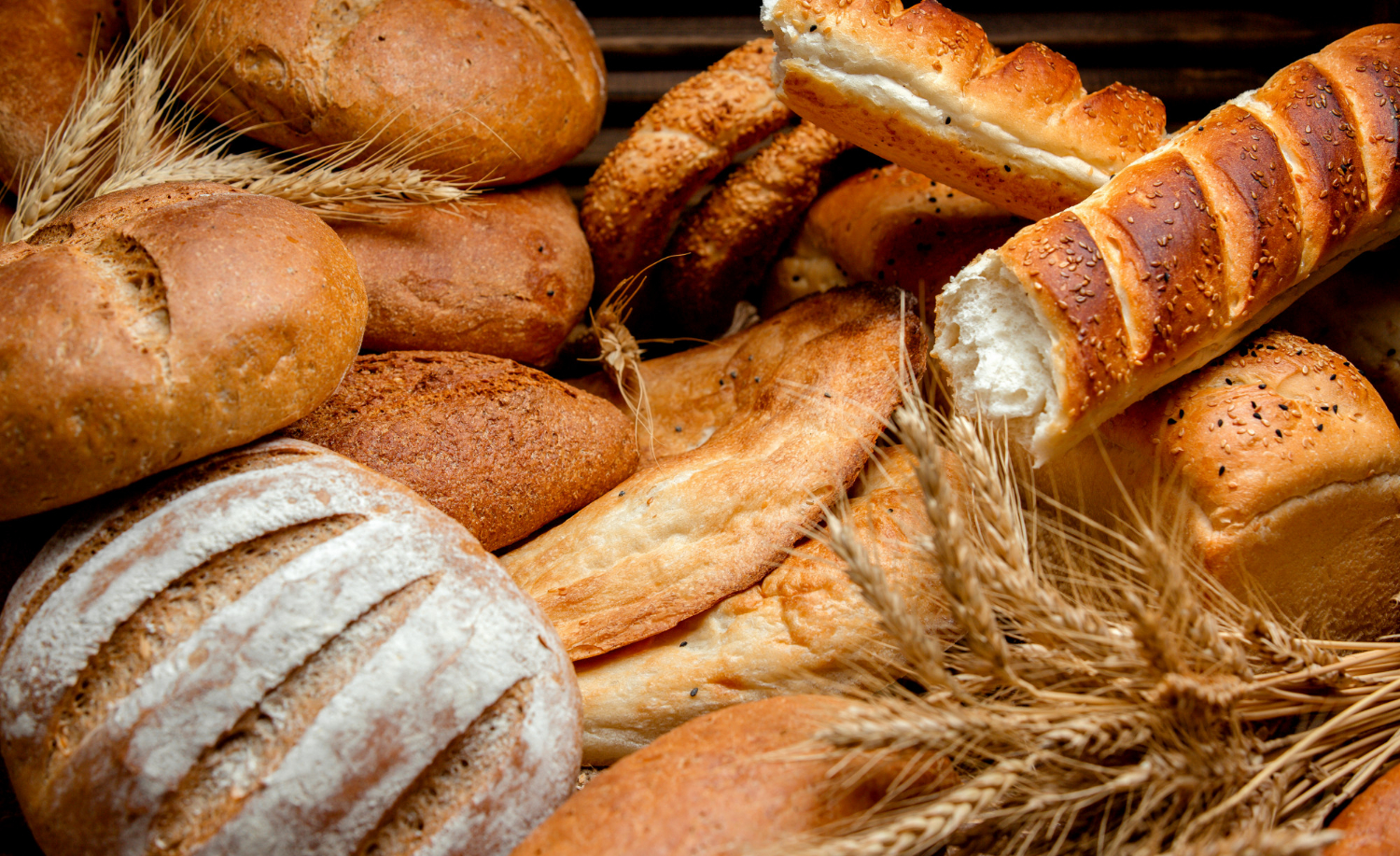
In Italy, bread is never just a side dish.
Placed at the center of the table, it reflects regional traditions, local ingredients, and centuries of craftsmanship. From crisp breadsticks in the North to fragrant semolina loaves in the South, every basket tells a different story of Italian hospitality and cuisine.
Northern Italy
In Northern Italy, bread is often light, crisp, and designed to accompany rich cheeses, cured meats, and butter-based cuisine. Restaurants frequently serve the famous grissini from Piedmont (thin, crunchy breadsticks perfect with aperitivo) alongside rustic loaves like the Miccone from Lombardy or the famous Coppia Ferrarese from Emilia-Romagna, known for its twisted shape and crunchy texture. Northern breads are elegant, refined, and deeply connected to artisan baking traditions.
Center Italy
Central Italy is home to some of the country’s most traditional and rustic breads. Tuscany is famous for its unsalted bread, originally created during historic salt shortages and now perfectly paired with strong flavors like pecorino cheese and cured meats. In Lazio, Roman trattorias often serve crusty country-style loaves such as Pane di Genzano, while in Umbria and the Marche, flat rustic breads like crescia or torta al testo, both kinda similar to focaccia, bring warmth and simplicity to the table. Bread here is earthy, authentic, and deeply tied to rural culinary culture.
Southern Italy
Southern Italian breads are rich in aroma, texture, and Mediterranean character. Many are made with durum wheat semolina, giving them a golden color and intense flavor. In Puglia and Basilicata, large rustic loaves such as Pane di Matera are known for their thick crust and long preservation. Sicily offers soft sesame-covered breads like Mafalda, while Sardinia is famous for Pane Carasau, the paper-thin crisp bread once prepared for shepherds. Southern bread traditions celebrate generosity, sunshine, and centuries-old baking rituals.
Contact us to plan your journey!
